
The Alarming Decline in Safety and Skill Training: A Risk We Can't Ignore
Published - Fri, 27 Dec 2024
Safety and skill training are the backbone of industrial and workplace efficiency. They ensure that workers are competent, prepared, and safe while carrying out their tasks. Yet, mostly in the developing and underdeveloped regions, the decline in the seriousness given to safety and skill training is a worrying trend that threatens lives, livelihoods, and the very foundation of sustainable development.
Why Safety and Skill Training Matter
Workplace safety is more than just a compliance checklist; it is a commitment to protect lives. Whether it is a factory floor, a construction site, or an offshore rig, proper safety measures can prevent accidents, injuries, and fatalities. Similarly, skill training equips workers with the knowledge and expertise to perform their jobs efficiently and innovate in their roles. Together, they create a competent workforce that can drive industrial growth without compromising safety.
In countries like India and across much of the developing world, the demand for skilled labour is immense. These regions are rapidly industrialising, and projects in construction, manufacturing, and oil and gas sectors are growing. Yet, the quality and availability of training in safety and skills have not kept pace with this growth. The consequences of this neglect are both immediate and far-reaching.
The Alarming Trends
1. Cutting Corners to Save Costs
In many industries, safety and skill training are viewed as unnecessary expenditures rather than investments. Employers, especially smaller companies, often cut corners to save money, providing minimal or no training to their workers. The mindset of "just get the job done" takes precedence over ensuring safety, leading to untrained workers being put in hazardous situations.
2. Lack of Awareness
A significant factor behind the decline is a lack of awareness about the importance of safety and skill training. Workers are often unaware of their rights to proper training and safe working conditions. Employers, on the other hand, fail to realize that investing in training reduces long-term costs associated with accidents, downtime, and poor productivity.
3. Outdated Training Methods
Where training does exist, it is often outdated or irrelevant to modern industrial practices. Many training programs rely on theoretical lectures without practical applications, leaving workers ill-prepared for real-world challenges. The absence of proper practical training infrastructure, as available with Elite Offshore, and advanced tools such as virtual reality (VR) simulations, hands-on drills, and updated materials further diminishes the quality of training.
4. Unregulated Industries
In third world countries, a significant portion of the workforce is employed in unorganized or semi-regulated sectors. These industries often operate outside strict regulatory frameworks, leaving workers vulnerable to unsafe conditions. In such environments, safety and skill training are rarely prioritized.
5. Overlooking Soft Skills
Skill training often focuses solely on technical capabilities, neglecting critical soft skills such as communication, teamwork, and problem-solving. This narrow approach limits workers' ability to adapt to dynamic environments, handle emergencies, and work collaboratively.
The Consequences of Neglect
1. Rising Workplace Accidents
The most tragic outcome of declining safety training is an increase in workplace accidents. The International Labour Organization (ILO) estimates that approximately 2.3 million people die annually from work-related accidents and diseases globally. Developing countries bear a disproportionate share of this burden.
2. Economic Losses
Accidents and inefficiencies caused by a lack of training lead to significant economic losses. Medical costs, compensation, downtime, and damaged equipment all add up. For small businesses, these costs can be crippling.
3. Poor Productivity
A workforce that lacks proper skills cannot perform at its full potential. Poor productivity leads to lower quality products, missed deadlines, and dissatisfied clients, further impacting economic growth.
4. Loss of Global Competitiveness
In a globalised world, industries in developing countries must compete with those in more advanced economies. Without a skilled and safety-conscious workforce, businesses in these regions struggle to meet international standards, losing out on lucrative opportunities.
5. Human Suffering
Beyond numbers and statistics, the human cost of neglecting safety and skill training is immeasurable. Families lose breadwinners, and workers face lifelong disabilities due to preventable accidents. The emotional toll on communities is profound.
The Way Forward
Addressing the decline in safety and skill training requires a collective effort from governments, industries, educational institutions, and society at large. Here are some steps to reverse the trend:
1. Stronger Regulations and Enforcement
Governments must enforce stringent safety standards and ensure compliance through regular inspections. Penalties for non-compliance should be severe enough to discourage negligence.
2. Public-Private Partnerships
Industries and governments can collaborate to create training programs that meet specific sectoral needs. Initiatives like India's Skill India campaign can be scaled up to include robust safety components with private sector encouraged to contribute to such training with support from government.
3. Modernizing Training Methods
Training programs must embrace simulating real scenarios. Modern tools such as VR, augmented reality (AR), and e-learning platforms may be productive add ons. These technologies make training more engaging, practical, and accessible.
4. Awareness Campaigns
Raising awareness among workers about their rights and the importance of safety training is crucial. Employers must also be educated about the long-term benefits of investing in a trained workforce.
5. Certification and Accreditation
Implementing mandatory certifications for workers and employers can ensure that only trained personnel handle critical operations. Accredited or approved training centers should be established to maintain consistent quality.
6. Incentivizing Compliance
Governments can provide tax benefits or subsidies to companies that prioritize safety and skill training. Recognizing and rewarding such companies publicly can further encourage others to follow suit.
7. Incorporating Soft Skills
Training programs should include modules on soft skills, enabling workers to function effectively in diverse teams and adapt to changing workplace demands.
Thus the decline in safety and skill training in the Indian subcontinent and other developing regions is a ticking time bomb. It not only endangers lives but also stunts economic growth and progress. The solution lies in treating safety and skill training as non-negotiable investments rather than optional expenditures. With collective willpower and a commitment to change, we can build a future where workplaces are safe, workers are skilled, and industries thrive.
Ignoring this issue is no longer an option. The time to act is now.
Created by

ProSafe Learning
Elite Offshore Pvt Ltd, established 2015, headquartered in CBD Belapur, Navi Mumbai, is a renowned training institution specializing in safety and skill courses for the offshore and industrial sectors. With a commitment to excellence, Elite Offshore offers a wide range of courses designed to meet the specific needs of professionals working in challenging environments. These courses include BOSIET, HUET, HLO, HDA, OERTM, OERTL, and more, ensuring that individuals are equipped with the necessary knowledge and skills to excel in their roles. As a trusted name in the industry, Elite Offshore is known for its state-of-the-art facilities, experienced trainers, and adherence to international safety standards. Through their training programs, they aim to enhance safety, efficiency, and proficiency in offshore and industrial operations, contributing to the success and well-being of professionals and organizations alike. Learn more about Elite Offshore Pvt Ltd and their comprehensive training solutions at https://eliteoffshore.in. Elite Offshore Pvt Ltd was founded with a clear goal - to enhance safety standards and promote unmatched skills development in the offshore industry. Established in 2015, the institute quickly gained a reputation as a reliable partner for individuals and organizations seeking exceptional training programs. With a commitment to delivering top-quality training solutions, Elite Offshore has become a recognized name in providing complete safety and skill development programs for the industrial and offshore oil and gas sector. It's not just a training center but a hub of knowledge, safety, and professional growth.
ProSafe Learning: Advancing Safety and Professional Training
Founded with a vision to enhance safety awareness and professional skills in offshore, marine, and industrial sectors, ProSafe Learning has emerged as a trusted platform for safety training and certification. Based in Navi Mumbai, ProSafe Learning focuses on delivering high-quality training programs designed to prepare professionals for challenging and high-risk work environments.
Vision and Foundation
ProSafe Learning was created with the goal of promoting a strong culture of safety and skill development across the offshore and industrial industries. The platform was developed to provide professionals with access to reliable training resources that combine theoretical knowledge with practical insights.
From the beginning, ProSafe Learning has emphasized modern learning approaches, industry-relevant course content, and a commitment to international safety standards. The objective is not only to educate but also to empower professionals with the confidence and competence required to perform their roles safely and efficiently.
Courses and Training Programs
ProSafe Learning offers a wide range of training courses designed to meet the evolving needs of offshore and industrial professionals. These programs help participants build the knowledge and practical understanding required to operate safely in demanding environments.
These courses are structured to ensure professionals gain both the technical knowledge and safety awareness needed to perform their duties confidently.
Commitment to Quality Training
What distinguishes ProSafe Learning is its strong commitment to delivering high-quality and industry-relevant training. The platform focuses on modern training methods, practical learning experiences, and expert guidance from professionals with real-world industry experience.
By combining structured learning modules with practical insights, ProSafe Learning ensures that participants develop the skills required to handle real-life workplace challenges effectively.
Industry Focus
ProSafe Learning serves professionals and organizations across multiple sectors, including:
Offshore Oil & Gas
Marine Operations
Industrial Safety
Energy and Engineering Industries
Through continuous improvement and updated training content, the platform supports professionals in maintaining high safety standards and operational excellence.
Future Vision
Looking ahead, ProSafe Learning aims to continue expanding its training solutions and contribute to the development of a safer and more skilled workforce. Future goals include introducing new industry-focused courses, enhancing digital learning platforms, and strengthening partnerships with organizations across the safety and training ecosystem.
Conclusion
In industries where safety and preparedness are critical, ProSafe Learning plays an important role in equipping professionals with the knowledge and skills required for success. By promoting safety awareness, professional development, and industry best practices, ProSafe Learning continues to support individuals and organizations in building safer workplaces and stronger careers.
Comments (0)
Popular categories
OSHA & Industrial Safety Courses
11Liberia Approved Rig Courses
4Marine and Offshore
3IADC Approved - E learning
2Port & Marine Courses
1Offshore Oil and Gas Rig Courses
1Latest blogs

IADC RigPass vs BOSIET – what’s the difference?
Wed, 04 Feb 2026
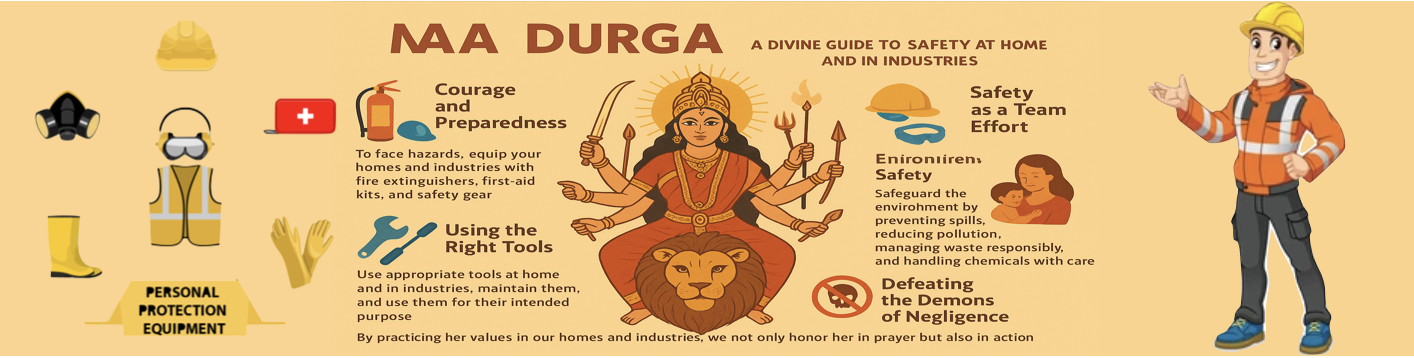
Maa Durga – A Divine Guide to Safety at Home and in Industries
Thu, 14 Aug 2025

The Alarming Decline in Safety and Skill Training: A Risk We Can't Ignore
Fri, 27 Dec 2024